
The landscape of data storage has been undergoing significant transformation with the growing adoption of multi-cloud strategies among enterprises. As businesses strive to gain agility, scalability, and resilience in their operations, the shift from single-cloud to multi-cloud environments is becoming more prevalent. This trend is fundamentally reshaping how companies approach data management and infrastructure.
One of the primary drivers behind this transition is the need for increased flexibility and risk mitigation. Unlike single-cloud environments, where data and applications may be housed under one provider, multi-cloud solutions allow businesses to distribute their data and workloads across multiple cloud platforms. This approach not only minimizes the risk of vendor lock-in but also enhances system redundancy and data recovery capabilities.
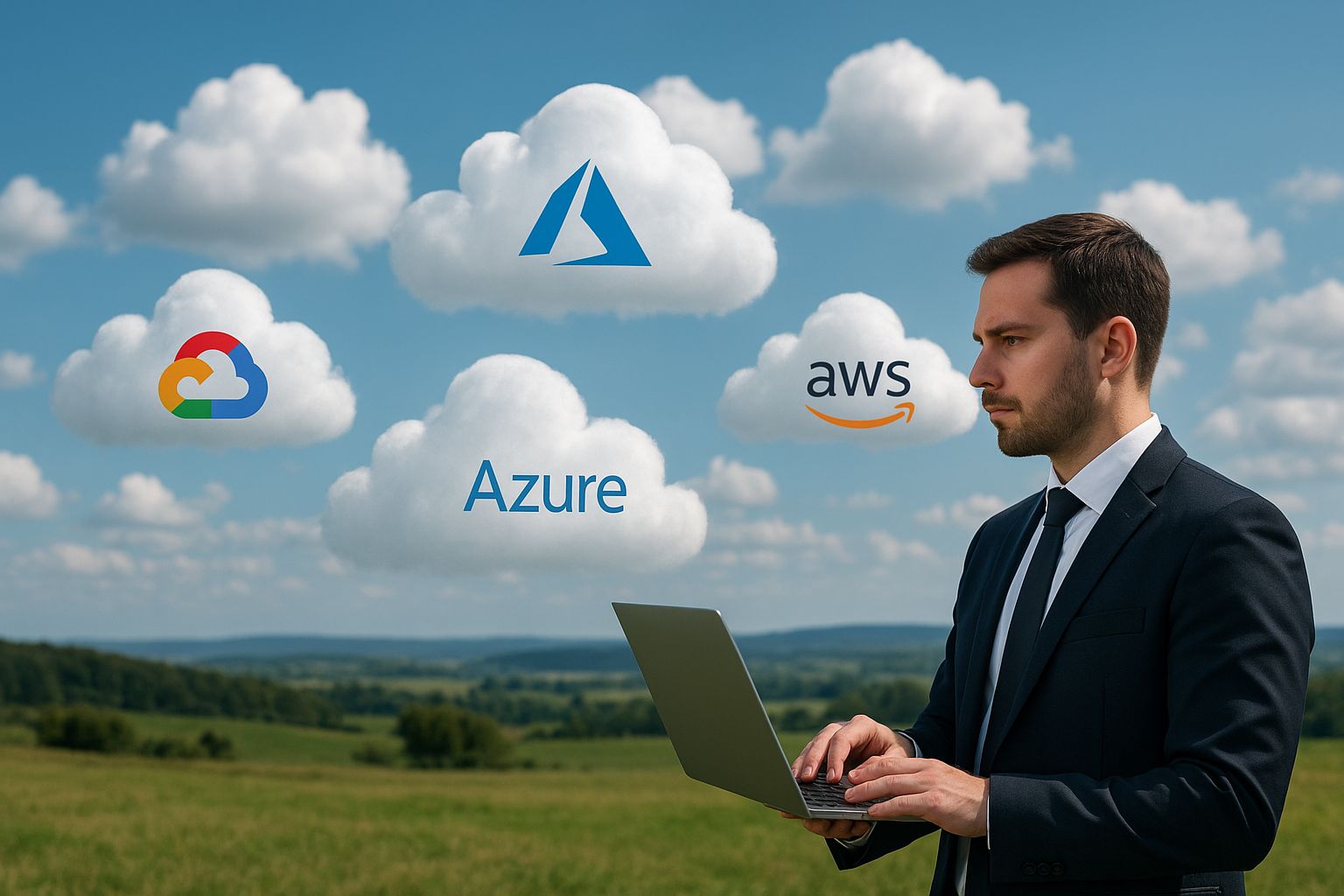
Industry giants such as Amazon Web Services (AWS), Microsoft Azure, and Google Cloud Platform have been pivotal in developing solutions that facilitate seamless integration between cloud platforms. Their tools enable enterprises to effectively manage and orchestrate resources across diverse environments, optimizing cost and performance. Case studies from leading organizations illustrate how leveraging multi-cloud architectures can drive competitiveness and innovative growth by providing tailored solutions that align with specific business needs.
Security and compliance remain a focal point in the multi-cloud debate. To comply with regulations such as GDPR and CCPA, companies must ensure that their data governance strategies are robust and adaptable across different cloud platforms. Utilizing integrated security frameworks and encryption technologies, organizations can safeguard sensitive data while maintaining compliance with international standards.
Moreover, the rise of hybrid cloud deployments is evident. Businesses are increasingly combining private cloud environments with public cloud infrastructures to create a hybrid model that merges the security and control of an on-premise data center with the scalability and efficiency of public cloud services. This approach allows organizations to customize their architecture to meet evolving regulatory and operational requirements.
The strategic implementation of multi-cloud solutions also supports faster innovation cycles. With access to a broader range of technologies and capabilities, companies can explore novel use cases and develop new digital services efficiently. The accelerated implementation of artificial intelligence and machine learning capabilities is an example of how multi-cloud environments are being leveraged to drive value.
Given the rapid evolution of digital infrastructures, businesses need to evaluate their cloud strategies to ensure alignment with long-term goals. Forward-thinking organizations are focusing on building cloud-native applications that can capitalize on the distinct advantages of a multi-cloud landscape.
In conclusion, the adoption of multi-cloud storage solutions represents a strategic opportunity for businesses looking to enhance their IT architectures. Organizations that embrace this trend are better positioned to adapt to the complexities of the digital economy and secure a competitive edge in an increasingly interconnected world.