

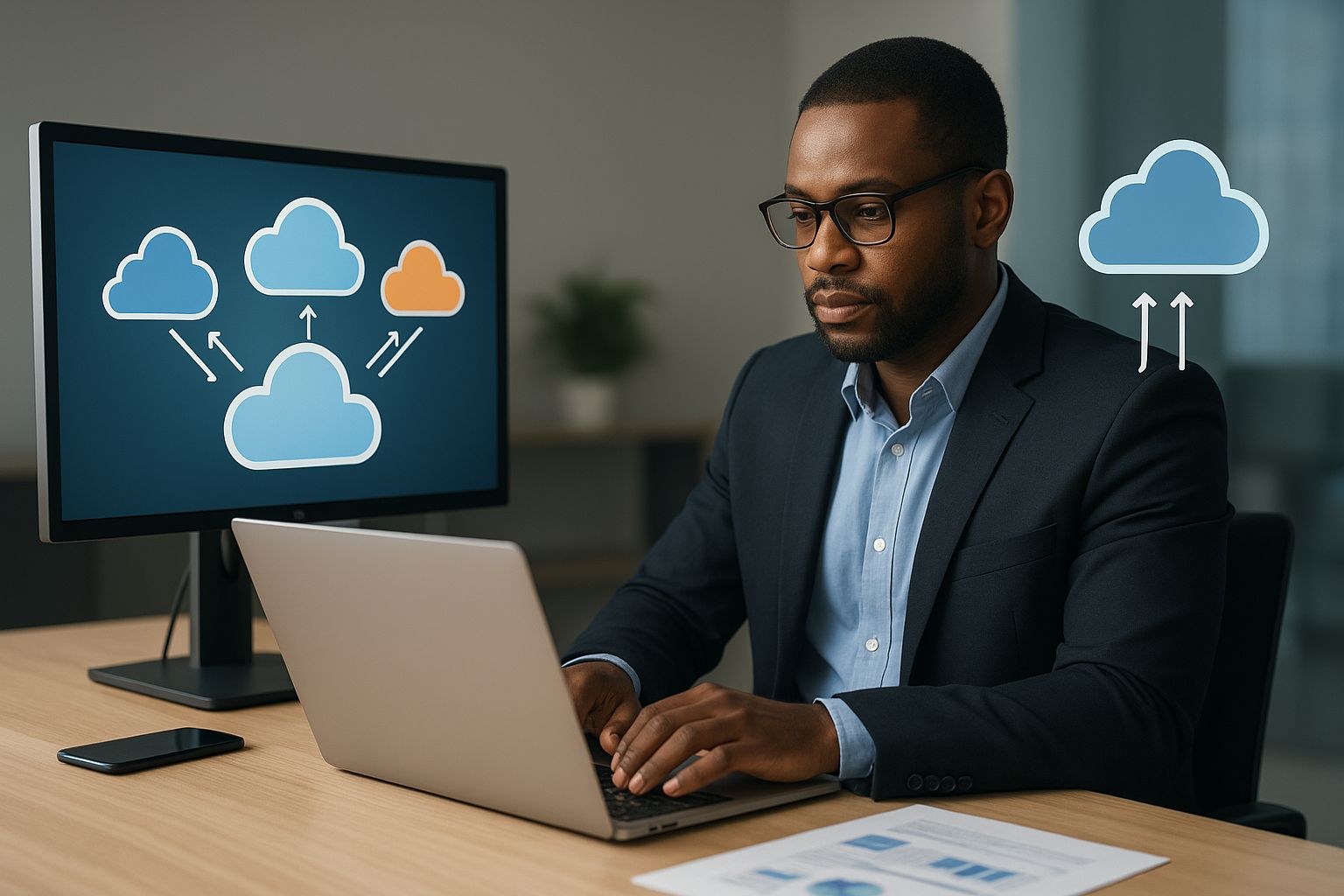
In today’s fast-paced digital economy, enterprises are increasingly adopting multi-cloud strategies to leverage a variety of services and avoid vendor lock-in. However, the complexity of integrating multiple cloud environments poses significant challenges for IT leaders.
Multi-cloud integration requires seamless coordination across different cloud platforms, each with its unique architecture, APIs, and security protocols. Companies must develop robust integration strategies to optimize resource utilization and enhance application performance.
A critical aspect of successful multi-cloud integration is the implementation of advanced middleware solutions. These tools facilitate data movement and application interoperability, allowing businesses to abstract the underlying complexity of multiple cloud services. By deploying middleware, enterprises can automate workflows, streamline data flows, and improve overall efficiency.
Security remains a top concern in multi-cloud environments. The integration of different cloud platforms necessitates a careful reevaluation of security protocols to safeguard sensitive data against breaches. Adopting a Zero Trust Security model ensures that access controls are consistently applied across all cloud environments, minimizing the risk of unauthorized access.
Data governance is another crucial factor. Enterprises must establish comprehensive policies to manage data quality, privacy, and compliance across decentralized systems. Utilizing data management platforms that support multi-cloud capabilities can provide a unified view of data across various environments.
Successful multi-cloud integration also requires a skilled workforce adept in cloud-native technologies and architectures. Continuous training and upskilling initiatives are essential to equip IT staff with the necessary expertise to manage complex multi-cloud solutions effectively.
To tackle these challenges, many organizations are partnering with Managed Service Providers (MSPs) specializing in multi-cloud management. These providers offer critical support in architecting and optimizing multi-cloud environments, ensuring alignment with business objectives while maintaining operational efficiency.
Incorporating these strategies allows modern enterprises to harness the full potential of multi-cloud integration, driving innovation and competitive advantage in a rapidly evolving digital landscape.